
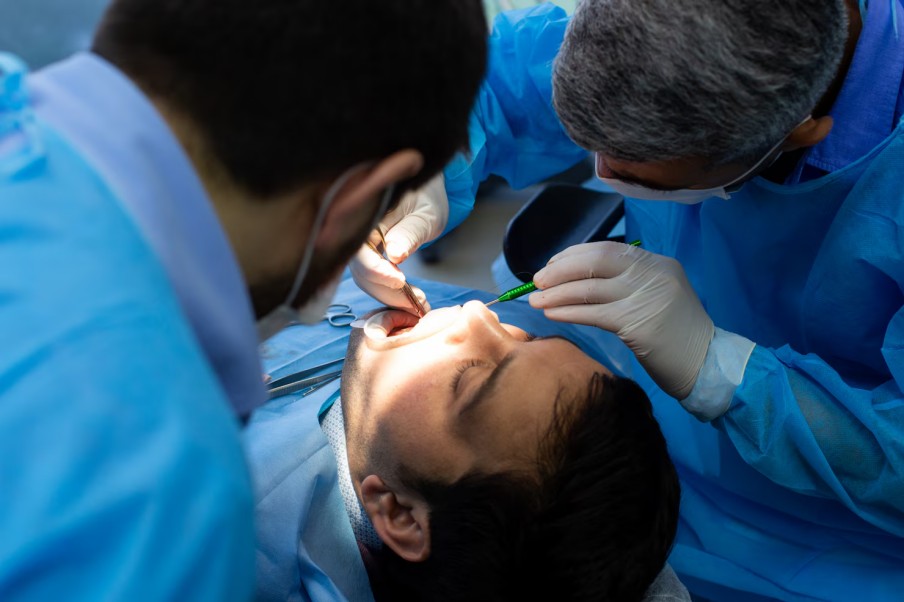
Dental implant surgery is a transformative procedure that restores both function and confidence. While the final result is a natural-looking, stable replacement for missing teeth, the healing process plays a crucial role in determining long-term success. Knowing what to expect during recovery allows patients to remain patient, prepared, and optimistic throughout the journey.
For many individuals, the decision to choose dental implants represents a commitment to long-term oral stability. Unlike temporary solutions, implants integrate directly with the jawbone, which means healing is not just about closing a wound but about building a biological bond that supports the future crown.
Patients who explore options such as affordable dentures and implants often compare recovery expectations before making their decision. Understanding realistic timelines helps set proper expectations and reduces anxiety, making the entire experience more comfortable and rewarding.
The First 24 Hours: Immediate Post-Surgery Experience
The first day after implant surgery is focused on rest and protection. Mild swelling, light bleeding, and tenderness around the surgical site are completely normal. These symptoms are natural responses as the body begins its healing process.
Pain is usually manageable with prescribed or recommended medication. Cold compresses help reduce swelling, while keeping the head elevated supports circulation and minimizes discomfort. During this phase, patients are encouraged to avoid strenuous activity, smoking, and hot foods.
Soft foods, hydration, and gentle oral hygiene practices are essential in maintaining a clean and calm environment for healing to begin effectively.
The First Week: Stabilization and Early Healing
During the first week, swelling gradually decreases, and the gums start forming a protective seal around the implant. This stage is critical because it sets the foundation for long-term integration.
Patients may still feel mild discomfort, but it should improve daily. Bruising around the jaw or cheeks is common and fades naturally. Maintaining cleanliness without disturbing the surgical site is key.
At this stage, most patients regain confidence in eating soft foods and resuming light daily activities. The body is now transitioning from inflammation to regeneration.
Osseointegration: The Core Healing Phase
Osseointegration is the biological process where the implant fuses with the jawbone. This stage determines the strength and durability of the final result. It typically takes several weeks to a few months, depending on bone quality, health conditions, and lifestyle habits.
During this period, the implant becomes part of the jaw structure. Although the patient may not feel changes daily, the bone is actively rebuilding around the implant surface.
This phase requires patience. While the gums may appear healed externally, internal bonding continues silently and steadily. Rushing this process can compromise long-term stability, which is why dentists emphasize careful monitoring.
Diet and Nutrition During Healing
Nutrition plays a vital role in recovery. The body needs adequate proteins, vitamins, and minerals to rebuild tissues and strengthen bones.
Recommended dietary focus includes:
- Soft fruits and cooked vegetables
- Protein-rich foods like yogurt and eggs
- Adequate water intake for tissue hydration
Avoiding hard, sticky, or crunchy foods prevents unnecessary pressure on the healing site. Proper nutrition not only speeds recovery but also improves overall comfort during the healing phase.
Oral Hygiene Without Disturbance
Maintaining oral cleanliness after implant surgery requires balance. The mouth must remain clean, but the surgical site must not be irritated.
Gentle brushing away from the implant area, mild rinses, and careful flossing of surrounding teeth protect against infection. As healing progresses, normal hygiene routines can be slowly resumed under professional guidance.
Good hygiene prevents inflammation, protects surrounding teeth, and supports smooth tissue recovery.
Activity Level and Lifestyle Adjustments
Physical activity should be limited during the early healing stages. Strenuous exercise increases blood pressure, which can disturb clot formation and delay healing.
As swelling reduces and comfort improves, light activities can be gradually resumed. Listening to the body is essential. Fatigue, discomfort, or pressure are signals to rest.
Avoiding smoking and alcohol significantly improves healing outcomes, as both interfere with blood flow and tissue regeneration.
Follow-Up Appointments and Monitoring
Regular follow-up visits allow the dentist to monitor healing progress and ensure that the implant is integrating properly. These appointments are crucial for identifying any concerns early.
Professional evaluation confirms that the implant remains stable and that the surrounding tissues are healthy. Adjustments, if needed, are easier to manage when detected early.
Consistent monitoring builds confidence and reassures patients that their recovery is on track.
When the Final Crown Is Placed
Once osseointegration is complete, the final crown is attached to the implant. This marks the visible completion of the treatment. The crown is designed to match natural teeth in shape, color, and function.
At this point, chewing comfort returns fully, and speech feels completely natural. Most patients describe this moment as the true reward for their patience during healing.
The implant now functions as a permanent part of the mouth, providing stability and confidence.
Long-Term Healing and Adaptation
Even after the crown is placed, the body continues to adapt. Minor sensitivity may appear initially as the mouth adjusts to the new structure. This fades as the jaw and surrounding muscles recalibrate.
Over time, the implant feels just like a natural tooth. There is no movement, no discomfort, and no awareness of it being artificial. This seamless integration is what makes implants one of the most successful dental solutions available.
Psychological Comfort During Recovery
Healing is not only physical but emotional. Patients often worry about whether everything is progressing correctly. Understanding that recovery is gradual helps maintain peace of mind.
Patience, positive mindset, and trust in the process reduce stress and make the journey smoother. Each stage of healing is a step closer to a confident, functional smile.
Signs That Healing Is Progressing Well
Positive healing indicators include reduced swelling, stable comfort levels, healthy pink gums, and absence of unusual pain. These signs reassure patients that recovery is on the right path.
If discomfort increases or unusual symptoms appear, professional consultation ensures timely reassurance or intervention.
A Journey Worth the Patience
Healing after dental implant surgery is a carefully structured biological process that transforms a small titanium post into a permanent part of the body. While the journey requires patience, discipline, and care, the outcome offers unmatched stability, comfort, and confidence.
By understanding each stage of healing, patients can remain calm, prepared, and motivated. The reward is not just a restored smile, but a long-term solution that supports both oral health and quality of life.
With proper care, mindful habits, and professional guidance, the healing journey becomes a powerful step toward lasting dental wellness and renewed self-confidence.