
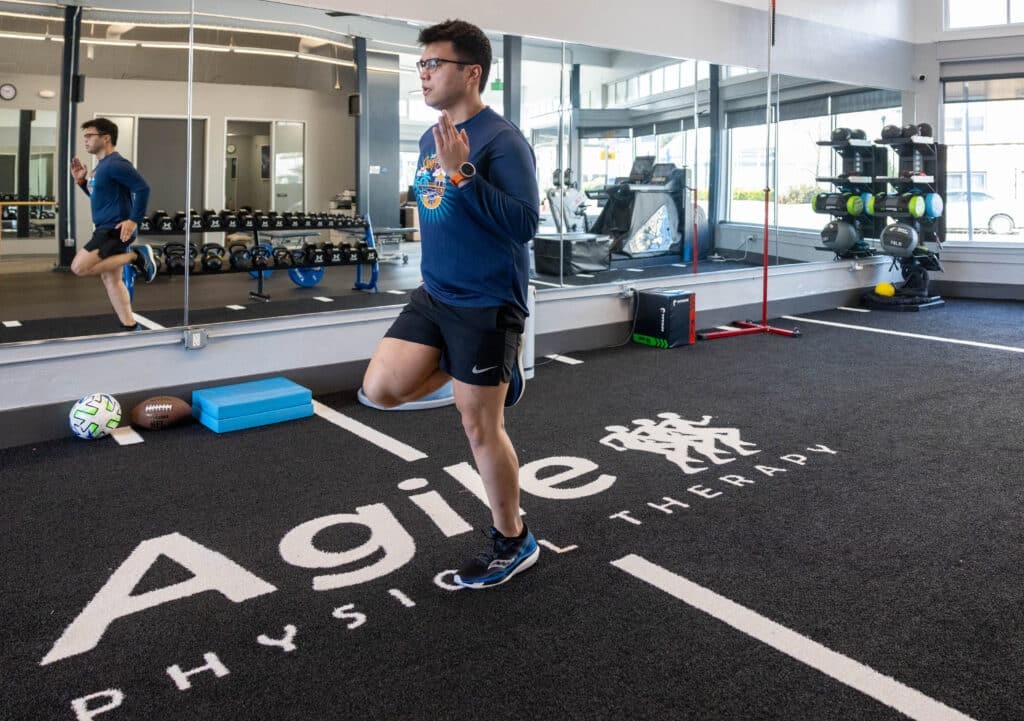
Mobility training has quickly moved from being a niche topic into one of the most important areas of modern fitness. In the past, many people focused mainly on lifting heavier weights, running faster, or burning more calories. Stretching and joint movement were often treated as optional extras.
That attitude is changing.
Today, more athletes, gym users, desk workers, and older adults are realizing that mobility plays a major role in performance, recovery, injury prevention, and long-term health. As fitness culture shifts toward longevity and functional movement, mobility training is becoming essential for anyone who wants to move better, feel better, and stay active for years.
What Is Mobility Training?
Mobility training refers to exercises that improve how well your joints move through their full range of motion with control.
Many people confuse mobility with flexibility, but they are not exactly the same.
Flexibility is about how far a muscle can stretch. Mobility is about how well a joint can actively move and function.
For example, someone may be flexible enough to stretch their hamstrings, but still lack the hip mobility needed to squat properly, run efficiently, or move pain-free.
Mobility training often includes:
- Dynamic stretching
- Joint rotations
- Controlled movement drills
- Stability exercises
- Range-of-motion work
- Functional movement patterns
The goal is not simply to become more flexible. The goal is to improve movement quality.
Why Mobility Matters
Mobility affects almost every type of physical activity.
Good mobility can help improve:
- Squat depth
- Running mechanics
- Posture
- Shoulder movement
- Hip function
- Balance
- Athletic performance
Poor mobility, on the other hand, can make basic movements feel restricted or uncomfortable.
Many people experience tight hips, stiff shoulders, lower back discomfort, or poor posture because they spend long hours sitting, working at desks, driving, or using phones.
Over time, reduced movement quality can contribute to compensation patterns, where the body relies on the wrong muscles or joints to complete a movement.
This is one reason mobility training is becoming so important in modern fitness programs.
Desk Jobs and Modern Posture Problems
One of the biggest reasons mobility training has grown in popularity is the modern sedentary lifestyle.
Many people spend hours each day:
- Sitting at a desk
- Looking down at phones
- Driving
- Working on laptops
- Sitting on sofas
This can contribute to:
- Tight hip flexors
- Rounded shoulders
- Stiff necks
- Weak glutes
- Limited ankle mobility
- Lower back tension
As more people become aware of how daily habits affect movement, mobility routines have become a popular way to counteract stiffness and improve posture.
Even short daily mobility sessions can help people feel less restricted and more comfortable in their bodies.
Mobility and Injury Prevention
Mobility training is often linked with injury prevention because better movement quality can reduce unnecessary strain on joints and muscles.
When the body lacks mobility in one area, another area may compensate.
For example:
- Poor ankle mobility may affect squat mechanics
- Tight hips may contribute to lower back discomfort
- Limited shoulder mobility may affect pressing movements
- Poor thoracic mobility may impact posture and breathing
By improving joint range of motion and control, mobility work may help the body move more efficiently.
This does not mean mobility training prevents every injury, but it can be an important part of a balanced fitness routine.
Mobility for Strength Training
Mobility is especially important for people who lift weights.
Exercises such as squats, deadlifts, lunges, overhead presses, and rows all require proper joint movement.
Without adequate mobility, lifters may struggle with:
- Poor form
- Reduced range of motion
- Joint discomfort
- Limited strength progression
- Increased fatigue
For example, someone with restricted hip mobility may find it difficult to squat deeply without rounding the lower back. Someone with poor shoulder mobility may struggle to press overhead comfortably.
This is why many strength coaches now include mobility drills in warm-ups and recovery sessions.
Mobility helps create better positions, which can improve both safety and performance.
Mobility and Athletic Performance
Athletes are also placing more emphasis on mobility because it supports better movement efficiency.
Sports such as football, boxing, MMA, running, tennis, and basketball all require the body to move quickly and dynamically.
Mobility can help athletes improve:
- Agility
- Power
- Balance
- Coordination
- Speed
- Recovery
A mobile athlete may be able to move more freely, change direction more efficiently, and generate force through better joint positioning.
This is why mobility is now a regular part of many professional training programs.
Recovery, Performance, and Research-Based Fitness
As fitness becomes more advanced, many people are looking beyond basic workouts and exploring broader topics around performance, recovery, and body composition.
Alongside strength training, nutrition, and mobility work, SARMs have become a highly discussed topic within certain fitness and performance communities. For readers who want to better understand the research, safety considerations, and ongoing conversations around selective androgen receptor modulators, this educational SARMs research guide offers a more detailed look at how these compounds are commonly discussed in relation to training support and muscle preservation.
This type of link fits naturally here because the focus is educational and research-based, rather than a direct product promotion.
Mobility for Aging and Longevity
Mobility training is not just for athletes.
It is also extremely important for healthy aging.
As people get older, they may naturally lose:
- Joint range of motion
- Balance
- Coordination
- Strength
- Movement confidence
Mobility exercises can help support independence and quality of life by making everyday movements easier.
These movements include:
- Bending down
- Reaching overhead
- Climbing stairs
- Getting up from the floor
- Walking comfortably
This is one reason mobility has become strongly connected with longevity fitness.
People are no longer only training to look better. They are training to stay capable, active, and pain-free for longer.
Simple Mobility Exercises People Use
Mobility training does not need to be complicated.
Common mobility exercises include:
- Hip circles
- World’s greatest stretch
- Deep squat holds
- Cat-cow stretches
- Shoulder dislocates
- Ankle rocks
- Thoracic rotations
- Couch stretch
- Glute bridges
Many people include these movements before workouts to prepare the body, or after workouts to improve recovery and reduce stiffness.
A simple 10-minute daily mobility routine can make a noticeable difference over time.
Mobility vs Static Stretching
Traditional static stretching still has value, but mobility training is often more active and movement-based.
Static stretching usually involves holding a stretch for a period of time.
Mobility training often involves moving in and out of positions with control.
This makes mobility especially useful for people who want their improved range of motion to transfer into real-world movement and exercise performance.
For best results, many fitness professionals combine:
- Dynamic mobility drills before training
- Strength work through full range of motion
- Static stretching after training or in separate recovery sessions
Why Mobility Content Is Growing Online
Mobility content performs extremely well online because many people deal with stiffness, posture issues, and movement limitations.
Popular mobility topics include:
- Hip mobility for tight hips
- Shoulder mobility for posture
- Lower back pain routines
- Desk worker stretches
- Ankle mobility for squats
- Morning mobility routines
These topics attract wide audiences because they apply to beginners, athletes, older adults, and office workers alike.
Unlike extreme fitness content, mobility feels practical and accessible.
The Future of Mobility Training
Mobility training is likely to become an even bigger part of mainstream fitness over the next few years.
As health and fitness culture continues shifting toward longevity, recovery, and functional performance, people are realizing that movement quality matters just as much as strength or endurance.
Mobility supports:
- Better posture
- Improved exercise technique
- Reduced stiffness
- Better athletic performance
- Long-term joint health
- Greater physical confidence
For anyone serious about fitness, mobility is no longer optional. It is one of the foundations of moving well, training safely, and staying active for life.