
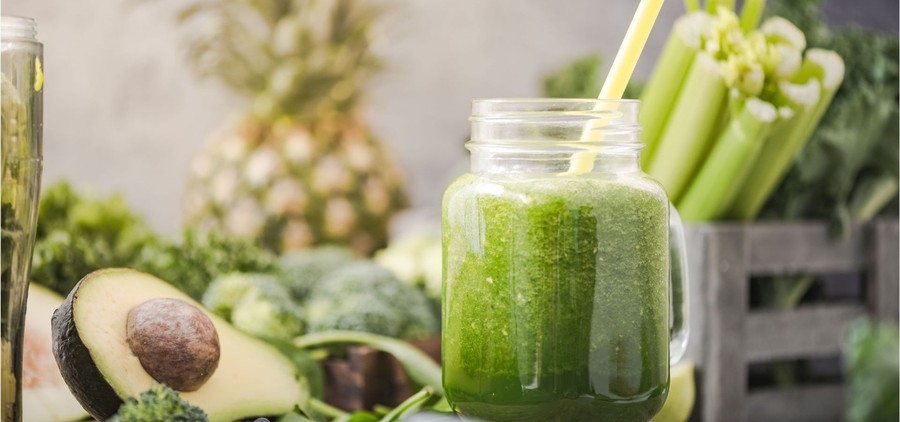
Nutrition as a Pillar of Recovery
Substance use often leads to nutritional deficiencies and digestive problems. Luxury detox centres recognise that healing the body’s biochemistry is as important as detoxifying the mind. Gourmet nutrition plans developed by chefs and dietitians provide delicious meals that restore balance and repair damaged tissues. Balanced eating stabilises blood sugar, improves mood and enhances cognitive function—critical factors for staying on track during recovery.
Components of a Gourmet Plan
- Balanced macronutrients: Proper proportions of protein, carbohydrates and healthy fats sustain energy and repair cells.
- Nutrient‑dense ingredients: Seasonal produce, lean meats and whole grains provide vitamins and minerals.
- Culturally diverse menus: Offering dishes from various cuisines keeps meals exciting and inclusive.
- Detoxifying herbs and spices: Ingredients like turmeric, ginger and cilantro support liver function.
- Hydration focus: Infused water and herbal teas help flush toxins and keep you hydrated.
Long‑Term Dietary Skills
- Cooking classes: Learn to prepare healthy meals once you leave treatment.
- Nutrition education: Understand how different foods affect mood and energy.
- Personalised meal planning: Work with dietitians to build menus that fit your lifestyle.
- Mindful eating: Practice tuning into hunger and fullness cues to avoid overeating.
- Post‑detox strategies: Develop plans for grocery shopping, dining out and meal prep to maintain progress.
- Consult with a dietitian about allergies or special requirements before arrival.
- Experiment with new foods and flavours during your stay.
- Hydrate consistently with water, herbal teas and broths.
- Avoid caffeine and sugar when possible to keep mood stable.
- Keep a recipe journal for dishes you enjoy and want to recreate.
Food plays a key role in relapse prevention. Developing healthy habits now can support you for years to come.
Additional Considerations
- Maintain a structured daily routine that balances work, self-care and social time.
- Attend regular therapy or support group sessions to stay accountable.
- Practice stress-reduction techniques like deep breathing, yoga or journaling.
- Seek support from mentors, friends and family who encourage your goals.
- Pursue hobbies and interests that enrich your life and provide joy.
It’s also important to set achievable goals and celebrate milestones along the way. Healing isn’t linear; there will be challenges, but each step forward is progress. Learn to recognise triggers and develop strategies to manage stress. Continuing to explore new interests, volunteer work, or educational opportunities can foster a sense of purpose and reinforce your decision to stay healthy.
Recovery is a lifelong journey. After detox, you’ll need to cultivate resilience through daily routines, ongoing therapy, and supportive relationships. Dedicate time each day to activities that promote mental and physical well-being, such as exercise, meditation, or creative hobbies. Surround yourself with people who respect your commitment to sobriety and seek out mentors who can guide you.
Building Resilience for Lifelong Recovery
Conclusion
Food is medicine—especially during detox. By prioritising high‑quality nutrition, luxury programmes give you the fuel needed for sustained recovery. Explore menu options and nutrition services at luxury detox California to find a programme that feeds both body and soul.