
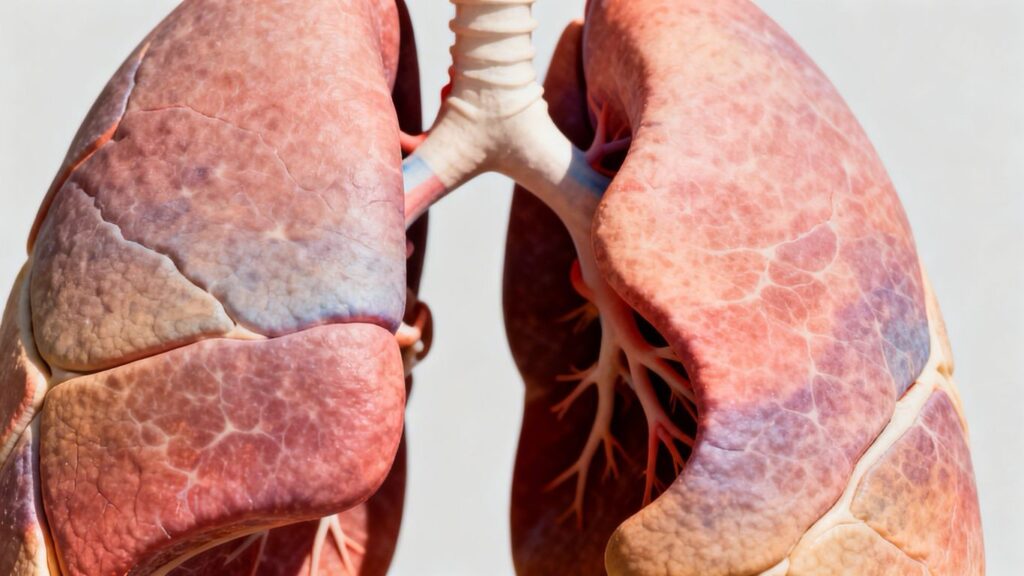
Figuring out the stage of mesothelioma is a key step after diagnosis. It’s basically a way for doctors to describe how much the cancer has grown and where it is in the body. This information is super important because it helps your medical team decide on the best way to treat it. Think of it like a map for the cancer’s journey.
The Purpose of Mesothelioma Staging
Staging isn’t just a number; it tells a story about the disease. It helps doctors understand:
- How far the cancer has spread: Is it just in one spot, or has it moved to nearby tissues or even distant parts of the body?
- The potential aggressiveness of the cancer: Some cancers grow faster than others, and staging can give clues about this.
- The most suitable treatment options: Different stages often require different approaches, from surgery to chemotherapy.
How Mesothelioma Staging Is Determined
Determining the stage usually involves a combination of methods. Your doctor will look at several things:
- Imaging Tests: Scans like CT, MRI, and PET are used to see the size of the tumor and if it has spread to lymph nodes or other organs.
- Biopsy Results: Examining tissue samples under a microscope gives detailed information about the cancer cells.
- Surgical Exploration: Sometimes, surgery is needed to get a closer look and take samples.
For pleural mesothelioma, the most common type, there’s a more defined system. However, for rarer forms like peritoneal or pericardial mesothelioma, staging can be more challenging due to fewer cases and difficulties in early detection. This is why understanding the TNM staging system is so important for pleural mesothelioma.
The Four Stages of Pleural Mesothelioma
Pleural mesothelioma, the most common type of this rare cancer, is typically classified into four distinct stages. This staging helps doctors understand how far the disease has progressed and guides treatment decisions. The stages generally follow the TNM system, which looks at the tumor’s size and spread, lymph node involvement, and whether the cancer has metastasized to distant parts of the body.
Stage One: Localized Disease
In Stage One, the mesothelioma is considered localized. This means the cancer is confined to its original site, usually the lining of the lung (pleura), and has not spread to nearby lymph nodes or other organs. This is the earliest stage of the disease. Symptoms might be minimal or absent, making early detection a challenge. Treatment at this stage often focuses on removing the tumor, as it is generally small and more accessible.
Stage Two: Local Spread
Stage Two indicates that the cancer has grown beyond its original location. The tumor may have spread into nearby tissues or structures within the chest cavity. There might also be involvement of lymph nodes closer to the tumor. While surgery may still be an option, it becomes more complex. Doctors might also consider chemotherapy or other treatments to help prevent the cancer from spreading further.
Stage Three: Advanced Local Invasion
By Stage Three, the mesothelioma has spread more extensively. The cancer can invade deeper into structures like the diaphragm, the sac around the heart, or even the chest wall. Lymph node involvement is more common, and the cancer may have spread to nearby organs. Surgical options become more limited at this stage, and treatment often involves a combination of therapies, including chemotherapy and radiation, to try and control the disease and manage symptoms. Patients may also explore treatment options for mesothelioma.
Stage Four: Widespread Metastasis
Stage Four represents the most advanced stage of pleural mesothelioma. At this point, the cancer has metastasized, meaning it has spread to distant organs throughout the body, such as the liver, bones, or brain. Tumor-removing surgery is typically no longer a viable option. Treatment in Stage Four usually focuses on palliative care, managing symptoms, and improving the patient’s quality of life, though systemic therapies might be used to slow disease progression.
Key Factors in Mesothelioma Staging
Figuring out the stage of mesothelioma involves looking at a few important things. It’s not just about the size of the tumor, though that’s part of it. Doctors need to see how far the cancer has spread, if it’s in the lymph nodes, or if it’s moved to other parts of the body. This information helps them get a clear picture of the disease.
Here’s what goes into determining the stage:
- Tumor Size and Location: The initial size of the tumor and where it started are key. For instance, pleural mesothelioma, which affects the lining of the lungs, is the most common type and has a more defined staging system. The location can also influence how difficult it is to treat.
- Lymph Node Involvement: Doctors check if the cancer has spread to nearby lymph nodes. This is a significant factor because it indicates whether the cancer is starting to travel through the body’s lymphatic system. Finding cancer in the lymph nodes usually means a more advanced stage.
- Distant Metastasis Assessment: This looks at whether the cancer has spread to organs or tissues far from where it began. This is often referred to as metastasis. If mesothelioma has spread to distant sites, it’s considered a more advanced stage, which can affect treatment choices and the overall outlook. For example, a specific mutation within a study cohort highlights a rare molecular event that requires careful, individualized clinical interpretation due to its potential relevance [dcb6].
These factors, when combined, help create a detailed profile of the mesothelioma, guiding the medical team in planning the most appropriate course of action.
Staging for Other Mesothelioma Types
While pleural mesothelioma, the type that affects the lung lining, has a more established staging system, other forms of this cancer present unique challenges when it comes to determining their extent.
Challenges in Staging Peritoneal Mesothelioma
Peritoneal mesothelioma, which develops in the lining of the abdomen, accounts for a smaller percentage of cases. Because of this, a universally accepted, formal staging system like the one for pleural mesothelioma hasn’t been developed. Instead, doctors often use a system called the Peritoneal Cancer Index (PCI). This method involves dividing the abdomen into 13 sections and then scoring each section based on the size and spread of the cancer. This detailed assessment helps guide treatment decisions, even without a traditional stage number.
Staging Considerations for Pericardial Mesothelioma
Mesothelioma affecting the pericardium, the sac around the heart, is quite rare. With so few cases, a formal staging system is also lacking. Doctors typically classify pericardial mesothelioma into broader categories, such as early or late stages, based on the available clinical information and imaging results. The focus here is on understanding the immediate impact on heart function and surrounding structures.
The Rarity of Testicular Mesothelioma Staging
Testicular mesothelioma is exceedingly rare. Due to its extreme rarity, there isn’t a defined staging system. When this type is diagnosed, doctors rely heavily on the general principles of cancer staging, looking at the tumor’s characteristics and any signs of spread, but without the benefit of established benchmarks for this specific cancer type.
Impact of Mesothelioma Stages on Treatment
Treatment Options by Stage
The stage of mesothelioma plays a big role in deciding the best way to treat it. Generally, earlier stages, like Stage 1 and Stage 2, might allow for more aggressive treatments. This is because the cancer is usually more contained.
- Surgery: Often considered for early-stage disease when the tumor is localized and hasn’t spread to lymph nodes or other organs.
- Chemotherapy: Can be used in various stages, sometimes in combination with surgery or radiation, to kill cancer cells or slow their growth.
- Radiation Therapy: May be used to target specific areas of cancer, often alongside other treatments.
For later stages, such as Stage 3 and Stage 4, the focus often shifts. Treatment might aim more at managing symptoms and slowing the cancer’s progression rather than trying to remove it entirely. This can include palliative care, pain management, and therapies like immunotherapy, which some studies suggest is increasingly recommended by healthcare professionals for inoperable mesothelioma.
Prognosis and Survival Rates
Knowing the stage of mesothelioma gives doctors a good idea of what to expect regarding a patient’s prognosis and how long they might live. Survival rates tend to be higher for patients diagnosed at earlier stages. For instance, Stage 1 mesothelioma generally has a better outlook than Stage 4. However, it’s important to remember that these are just general statistics. Individual outcomes can vary quite a bit. Advances in treatment, like immunotherapy and clinical trials, are also helping to extend survival times for many patients, even those with more advanced disease.
Personalized Treatment Planning
While staging is a key factor, it’s not the only one that guides treatment. Doctors also consider other aspects of the diagnosis. These include:
- Cell Type: The specific type of mesothelioma cells (e.g., epithelioid, sarcomatoid) can affect how the cancer responds to treatment.
- Tumor Location and Size: Where the tumor is and how big it is can influence surgical options and the complexity of treatment.
- Patient’s Overall Health: A person’s general health and ability to tolerate certain treatments are always taken into account.
Ultimately, treatment plans are tailored to the individual patient, combining information from the stage, cell type, and personal health factors to create the most suitable approach.
Navigating Your Mesothelioma Diagnosis
Understanding Your Stage
Receiving a mesothelioma diagnosis can be overwhelming, and understanding the stage of the cancer is a key part of this process. The stage provides important information about how far the disease has progressed. Doctors use various tests, such as imaging scans (like CT or MRI), biopsies, and sometimes fluid analysis, to determine this. The TNM system is commonly used for pleural mesothelioma, looking at the Tumor size, Node involvement, and Metastasis. For peritoneal mesothelioma, a different system called the Peritoneal Cancer Index might be used. Knowing your stage helps your medical team plan the most appropriate treatment.
Communicating with Your Medical Team
Open and clear communication with your healthcare providers is vital. Don’t hesitate to ask questions about your diagnosis, the staging results, and what they mean for your specific situation. It can be helpful to prepare a list of questions before appointments. Understanding the tests performed and the rationale behind your assigned stage can empower you. Discussing potential treatment side effects and expected outcomes is also important for making informed decisions.
The Role of Clinical Trials
Clinical trials are research studies that test new medical approaches. They can offer access to treatments that are not yet widely available. For mesothelioma, especially in later stages, clinical trials might provide options for care that could potentially improve outcomes or manage symptoms. Your medical team can help you understand if participating in a clinical trial is a suitable option for you, considering your specific stage and overall health. These trials are a critical part of advancing medical knowledge and finding new ways to treat the disease.