
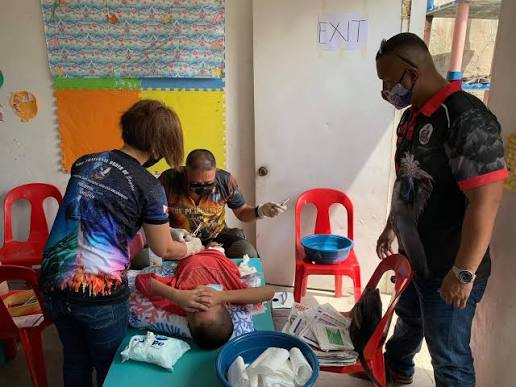
For many Filipino families, circumcision is a familiar milestone in a boy’s life. It may be discussed during summer vacation, before the start of the school year, or when a child reaches a certain age. While it is often seen as a cultural tradition, parents should still approach it as a medical decision that requires preparation, proper care, and guidance from a qualified healthcare provider.
If you are researching circumcision in the Philippines, it is important to look beyond common stories and personal opinions. Every child has different needs, comfort levels, and health considerations. Understanding the process and recovery can help parents make safer and more confident decisions.
What Is Circumcision?
Circumcision is a procedure that removes the foreskin, the fold of skin covering the head of the penis. In the Philippines, it is commonly referred to as tuli. The practice may be done for cultural, religious, hygienic, personal, or medical reasons.
Although it is common, circumcision should not be treated as a simple routine task. It still involves the skin, blood vessels, wound healing, and infection prevention. This is why the tuli procedure should be performed by a trained healthcare professional in a clean and safe environment.
A proper medical setting helps ensure that sterile instruments are used, pain is managed appropriately, and parents receive clear aftercare instructions.
Why Parents Should Prepare Before Scheduling
Some parents schedule circumcision because classmates, cousins, or neighbors are doing it. Others may feel pressure because it is expected in their family or community. However, timing should not depend only on social pressure.
Before scheduling, parents should consider whether the child is ready physically and emotionally. A child who understands basic instructions may be better able to cooperate during recovery. He should also be able to tell an adult if he feels pain, discomfort, or difficulty urinating.
Parents should also check whether the child has any current health concerns. Fever, skin infections, bleeding problems, allergies, or recent illness should be discussed with a doctor before the procedure.
What Happens Before the Tuli Procedure?
A healthcare provider may begin by asking about the child’s medical history. This can include allergies, medications, previous surgeries, bleeding tendencies, and any known conditions. The doctor may also examine the area to check if there are concerns that could affect the procedure.
This pre-procedure assessment is important because not all cases are the same. Some children may need a different technique, extra precautions, or delayed scheduling.
Helpful Questions to Ask the Doctor
Parents can prepare by asking questions such as:
- Is my child healthy enough for circumcision?
- What method will be used?
- What type of anesthesia or pain control is provided?
- How long does the procedure usually take?
- What should my child avoid before and after?
- How should we clean and dress the wound?
- When should we return for a follow-up?
- What symptoms should make us seek medical help?
These questions help parents understand what to expect and reduce uncertainty after going home.
What Happens During the Procedure?
The exact steps may vary depending on the child’s age, the doctor’s technique, and the setting. In general, the area is cleaned, anesthesia is given to reduce pain, and the foreskin is carefully treated or removed. The healthcare provider then controls bleeding and applies proper wound care.
Parents should make sure the procedure is done with sterile equipment and proper hygiene practices. Clean technique is essential in lowering the risk of infection and other complications.
It is also important to prepare the child emotionally. Avoid using fear, teasing, or embarrassing comments. Instead, explain that a doctor will help, that the area may feel sore afterward, and that following instructions will help it heal properly.
What to Expect During Recovery
Recovery can vary from one child to another. Some soreness, mild swelling, bruising, or sensitivity may be expected. The area may look different during healing, and parents may feel worried if they are not prepared for what is normal.
The doctor will provide specific aftercare instructions. These may include how to clean the area, how often to change the dressing, what medicine may be used for discomfort, and which activities to avoid.
Parents should not apply ointments, powders, herbal remedies, alcohol, or other products unless the doctor recommends them. Using unapproved products may irritate the wound or increase the risk of infection.
Home Care Tips for Parents
Good aftercare supports healing and helps prevent problems. Parents should follow the doctor’s instructions carefully and keep the child comfortable during recovery.
Keep the Area Clean and Dry
Cleanliness matters after circumcision. The wound should be cared for as instructed by the doctor. Hands should be washed before and after dressing changes or cleaning.
Choose Comfortable Clothing
Loose and comfortable clothing can help reduce friction. Tight underwear or rough fabric may rub against the healing area and cause discomfort.
Limit Physical Activity
Running, biking, swimming, rough play, and strenuous activity may need to be avoided until the doctor says it is safe. Rest gives the body time to heal.
Watch for Urination Problems
The child should be able to urinate after the procedure. If he has difficulty urinating, feels severe pain, or cannot pass urine, parents should contact a doctor promptly.
Warning Signs Parents Should Not Ignore
Some discomfort is expected, but worsening symptoms should be checked. Parents should seek medical advice if they notice heavy bleeding, increasing swelling, pus, foul smell, fever, severe pain, difficulty urinating, or a wound that appears to be opening.
These symptoms do not always mean a serious complication is present, but early medical attention can prevent a small issue from becoming worse.
Supporting Your Child Emotionally
The physical part of recovery is only one side of the experience. Children may also feel shy, embarrassed, nervous, or afraid. Parents can help by speaking calmly and respectfully.
Avoid comparing the child with other boys. Avoid making jokes about his body or recovery. Give him privacy while still checking on his condition. If he has questions, answer in a simple and age-appropriate way.
A supportive approach can make the experience less stressful and help the child feel safer.
Why Medical Guidance Matters
Because circumcision is widely practiced in the Philippines, some families may assume it can be done anywhere. However, safety should always come first. A licensed doctor or qualified healthcare provider can assess the child, perform the procedure properly, and guide recovery.
NowServing PH can help parents connect with healthcare professionals for consultation before scheduling. This gives families a chance to ask questions, understand the process, and make decisions based on medical advice rather than guesswork.
A Safer and More Informed Choice for Families
Circumcision may be common, but every child deserves proper care before, during, and after the procedure. Parents should take time to understand the process, prepare their child, choose a safe provider, and follow recovery instructions closely.
With the right medical guidance, Filipino families can approach tuli with more confidence, better preparation, and greater focus on the child’s health and comfort.