
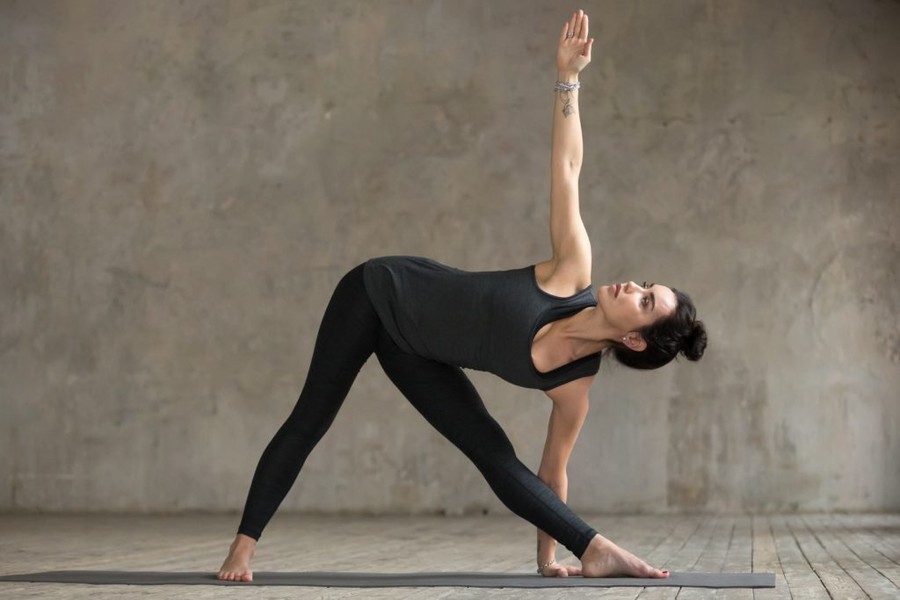
The demands of modern life frequently force our bodies into a state of chronic alertness. When navigating packed professional schedules, digital notification overloads, and daily obligations, the human nervous system rarely finds the space to completely decompress. This prolonged tension eventually settles deep within our physical frames, leading to tight muscles, mental fatigue, and fragmented concentration.
To break this cycle of exhaustion, it is essential to look past superficial distractions and focus on physical somatic regulation. By using deliberate body postures to communicate safety directly to the brain, you can consciously lower your internal tension and restore a deep, unshakeable sense of mental clarity.
The Physiology of Somatic Decompression
Stress is never exclusively mental; it is a full-body physical experience. When psychological pressure mounts, your adrenal glands flood your system with cortisol and adrenaline. This evolutionary survival response tightens large muscle groups, shallow-breathing patterns take over, and your resting heart rate increases to prepare for action.
[Conscious Asana Hold]
↓
[Vagus Nerve Activation]
↓
[Parasympathetic Shift]
↓
[Decreased Muscle Tension]
↓
[Greater Ease and Stability in the Asana]
↓
[Conscious Asana Hold]
Holding specific physical postures breaks this survival feedback loop. When you gently stretch contracted muscle tissues—such as the hips, hamstrings, and shoulders—and couple that movement with deep diaphragmatic breathing, you actively stimulate your vagus nerve. This biological shift prompts your system to move out of fight-or-flight mode and transition into a deeply restorative, self-healing state.
Establishing Structure for Long-Term Well-Being
Cultivating a resilient internal baseline requires regular, dedicated practice rather than occasional long workouts. Amidst a hectic week, establishing a reliable routine can be a major challenge. Utilizing modern mobile tools can provide the exact structural framework you need to stay fully consistent.
Integrating an intuitive wellness utility like Asanas into your daily routine helps you stay perfectly on track. These specialized applications offer customizable hold timers, clear sequence intervals, and intuitive progress trackers that eliminate guesswork, keeping you accountable to your daily personal growth goals.
Key Postures for Nervous System Regulation
You do not need an advanced athletic background to experience the profound benefits of physical decompression. These foundational postures are designed specifically to target deep somatic stress reserves and can be modified to suit any experience level:
- Child’s Pose (Balasana):Restricting visual inputs while gently lengthening the lower back and shoulders to induce a deep feeling of internal safety.
- Legs-Up-The-Wall Pose (Viparita Karani):Reversing gravity-induced circulatory pressure to encourage venous return and quickly lower a racing heart rate.
- Cat-Cow Sequence (Marjaryasana-Bitilasana):Moving the spine dynamically to clear neural pathways and release tension along the central nervous system.
Cultivating Mindful Awareness on the Mat
As your physical body settles into these therapeutic shapes, your mental landscape naturally mirrors this newfound balance. The goal of this practice is not to force your mind to become completely empty, but rather to change your relationship with your thoughts.
By training your attention entirely on the physical alignment of a pose and the steady rhythm of your breathing, you crowd out the background noise of daily worries. This focused absorption builds an observant, steady internal state. Utilizing a comprehensive global platform like Stress expands your practice by providing access to thousands of custom ambient tracks, specialized breathing patterns, and expert-led sequences designed to melt away mental fatigue and guide you smoothly back to a calm baseline.
Conclusion
Using targeted physical movement provides a direct, scientifically proven pathway to long-term emotional stability. By shifting your focus away from external demands and centering it entirely on your physical form, you train your body and mind to remain resilient under pressure. Committing to this internal practice daily guarantees that you can always return to a reliable core of absolute clarity, no matter how chaotic your outer environment becomes.
Frequently Asked Questions
Can I practice these calming postures right before bed?
Yes, absolutely. Practicing passive postures like Child’s Pose and Legs-Up-The-Wall right before sleeping is highly recommended, as it transitions your nervous system into a parasympathetic state, making it much easier to fall into deep sleep.
How long should I hold each stress-relief posture?
For passive, restorative variations, holding each pose for 3 to 5 minutes is ideal. This extended duration gives your deep connective tissues and your nervous system enough time to fully release built-up tension.
Do I need to be flexible to experience the benefits of these movements?
Not at all. Flexibility is a gradual byproduct of the practice, not a requirement. Using yoga blocks, thick pillows, or rolled-up blankets for support allows you to receive the exact same neurological benefits regardless of your current range of motion.
What is the best way to handle distracting thoughts during my practice?
When distracting thoughts arise, avoid reacting to them with frustration. Simply notice that your mind has wandered, acknowledge the thought without judgment, and gently guide your attention back to the physical sensation of your breath.